- Women’s World Banking’s research shows that many young Indonesians still face impulsive spending, risky borrowing, and financial misinformation, even though they use digital financial tools.
- Insights from the research and the youth dialogue highlight the need for better protection, practical financial skills, and digital systems that truly help Indonesia’s 44 million young people build safer and more confident financial futures.
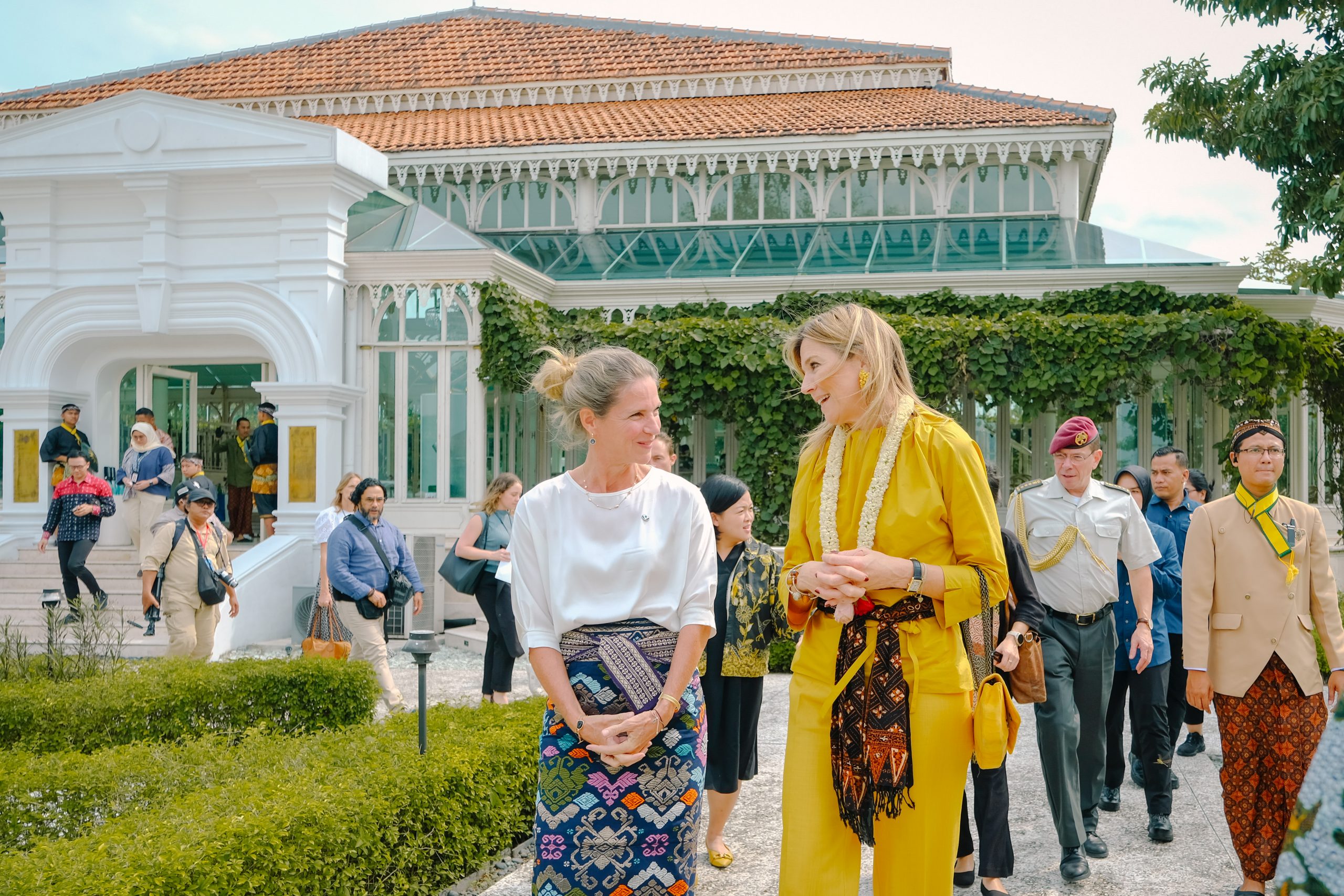
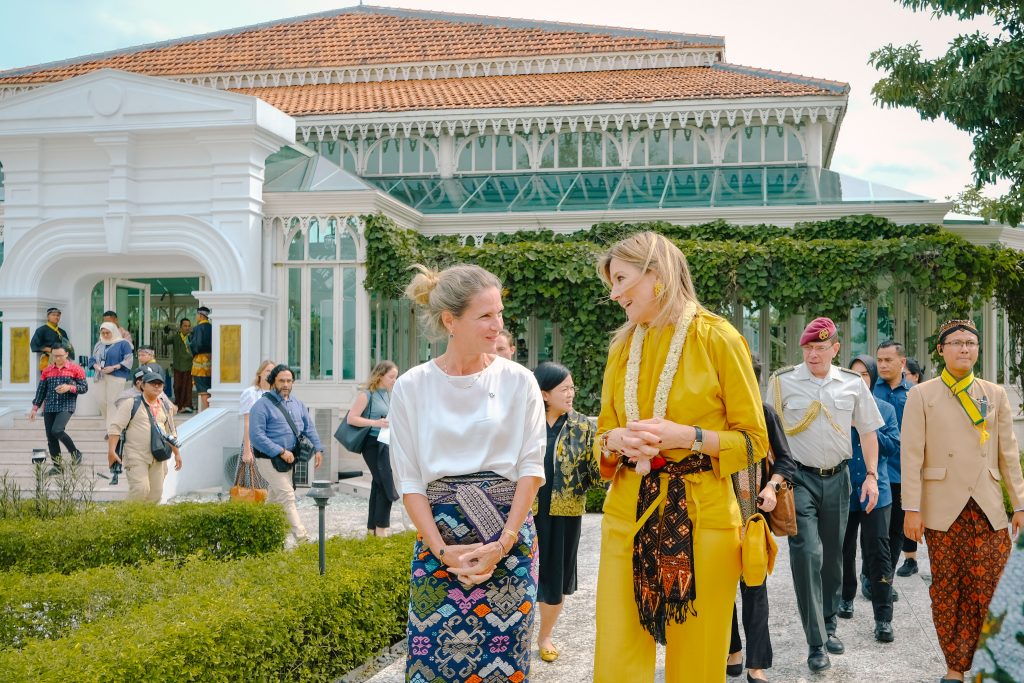
- The discussion was one of many engagements of the UNSGSA’s visit to Indonesia, during which Her Majesty Queen Máxima of the Netherlands, the United Nations Secretary-General’s Special Advocate for Financial Health (UNSGSA) met with public and private sector leaders, as well as Indonesians from diverse backgrounds, to learn about financial health challenges and opportunities in the country.
JAKARTA, 28 NOVEMBER 2025 – Women’s World Banking’s (WWB) latest research report, Empowering the Next Generation: A Path to Financial Confidence for Indonesia’s Youth, sheds light on the realities faced by young Indonesians navigating today’s digital financial landscape. From impulsive use of digital wallets and online credit to widespread exposure to financial misinformation, the study highlights growing gaps in both capability and confidence when it comes to making safe financial decisions.
Based on the financial behaviors of more than 1,500 youth and insights from 117 stakeholders, the report identifies a persistent “confidence and capability gap.” While many young people understand the importance of saving, investing, and avoiding high-risk loans, they often lack the tools, guidance, and support systems needed to turn that knowledge into action.
Angelique Timmer, Regional Director for Women’s World Banking Southeast Asia, underscored the urgency of these findings. “Our research shows that access alone is not enough. Young people face social pressure, misinformation, and impulsive temptations that make everyday financial decisions more complex. To support them, we must focus not only on increasing knowledge but on building the skills and confidence needed to practice healthy financial behaviors,” Angelique said.
She added that young women, in particular, demonstrate strong saving discipline but continue to feel less confident when it comes to credit and investment decisions, a gap that must be addressed through more practical, relevant, and sustained approaches to financial capability building.
Youth Discussion with UNSGSA Queen Máxima: Amplifying Youth Voices with Global Leadership
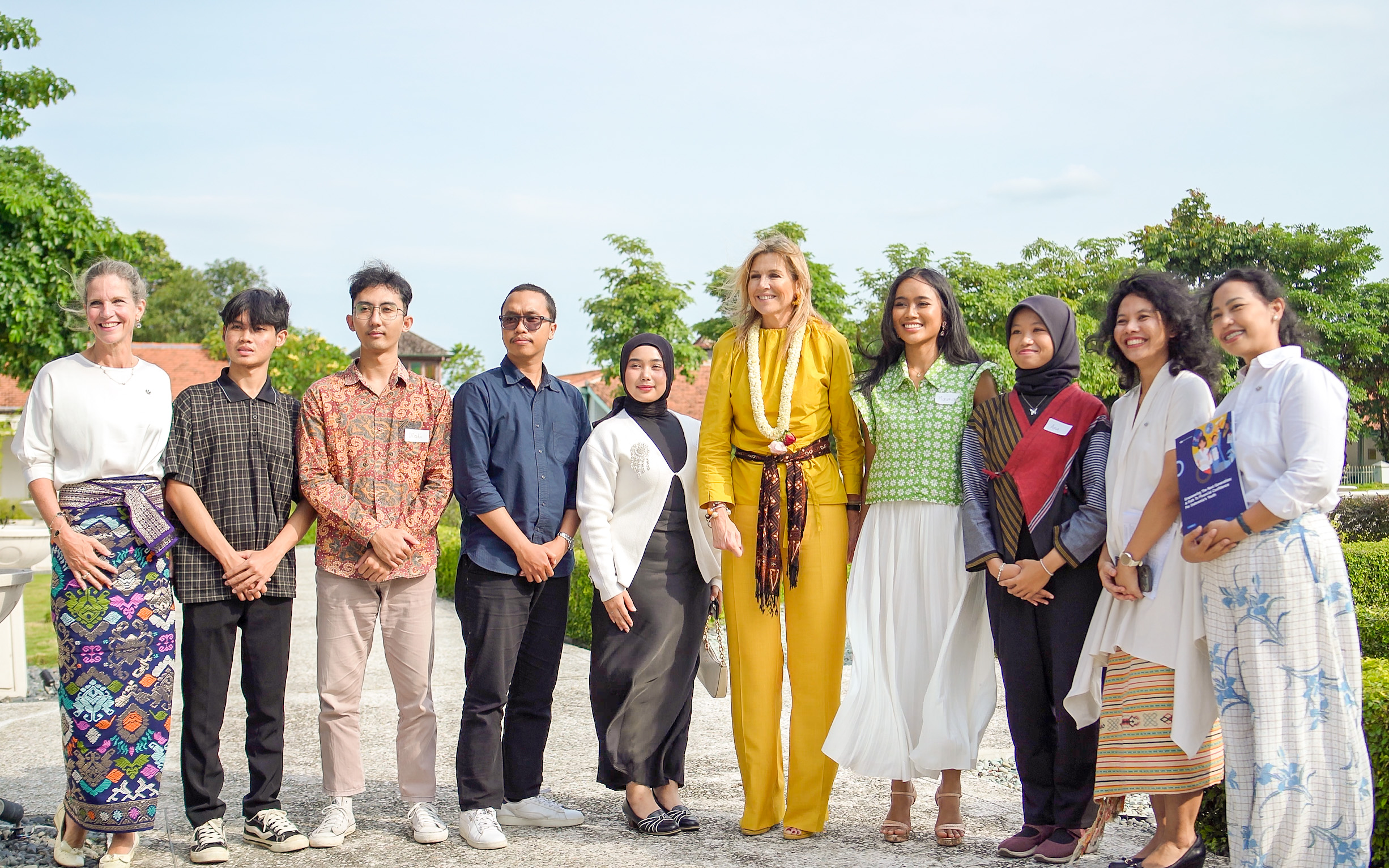
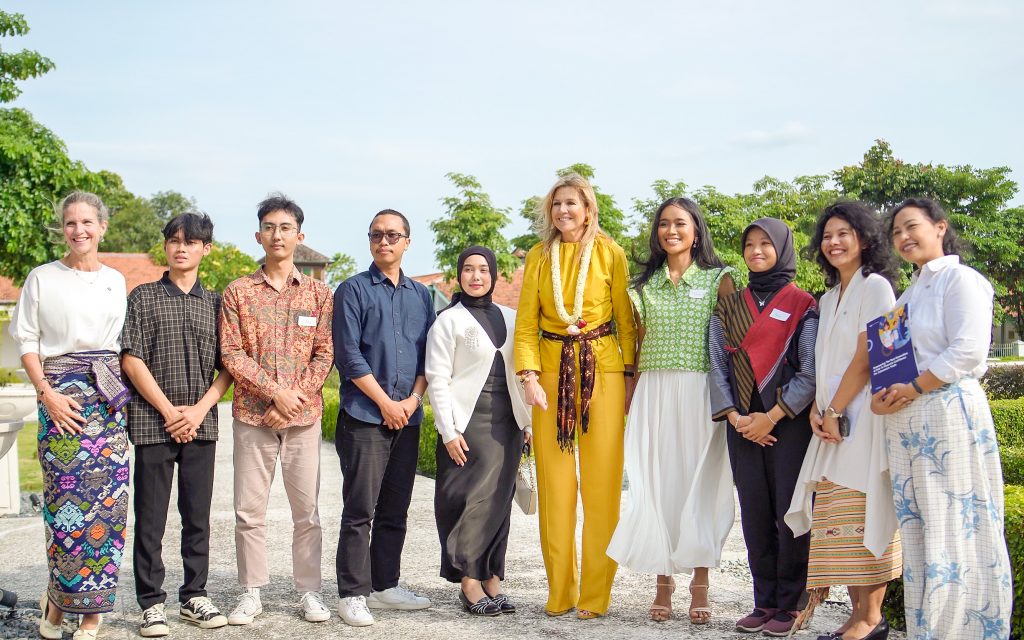
As part of the report’s findings, WWB hosted a Youth Financial Health Discussion in Surakarta (25/11), featuring Her Majesty Queen Máxima of the Netherlands in her role as the UN Secretary-General’s Special Advocate for Financial Health (UNSGSA). The discussion provided a platform for fresh graduates to voice the real challenges they face in navigating digital finance, from difficulties in controlling spending and navigating social-driven consumption trends to the risks posed by loans and financial misinformation.
During the session, Queen Máxima highlighted the importance of ensuring that young people not only have access to financial services but also the capability to navigate them safely. She stressed that confidence and financial protection are foundational to a stable future, and she will bring the voices of young people to the various stakeholders she is meeting during her visit to encourage stronger collaboration.
Moving Forward: Investing in Youth Financial Health
The outcomes of the dialogue and follow-up focus groups will support WWB’s collaboration with regulators, financial institutions, and community partners. The organization aims to strengthen digital financial capability, build safer digital pathways, and influence the design of inclusive financial products that meet the needs of all people across genders and backgrounds.
The youth voices shared during the dialogue were a powerful reminder of what is at stake for more than 44 million young Indonesian entering adulthood in an economy defined by rapid digital transformation. “We’re expected to know how to manage money just because everything is digital now, but no one ever really taught us,” said Maura, a gig worker “Most of the time, it feels like we’re figuring it out on our own, even though we still look to our parents for guidance.”
Other participants Luna, a formal worker, echoed similar experiences. “I’d like to have integrated financial services where I can easily access education, savings buckets, and financial planning in one place. For now, everything feels fragmented across different platforms,” she said.
Women’s World Banking emphasizes that Indonesia’s young people are in an important phase to accelerate their financial empowerment. Without targeted interventions to strengthen their capability and confidence, youth risk falling behind in building a solid financial foundation. With the right actions, Indonesia can equip the next generation to make safer, wiser, and more sustainable financial decisions.
About Women’s World Banking
For more than 45 years, Women’s World Banking has worked to reshape financial systems to ensure security and prosperity for women and inclusive economic growth for all. The global nonprofit partners with financial service providers, regulators, and policymakers across 30+ countries to design inclusive products, conduct evidence-based research, and drive systemic change that enables women & their families to build financial security and economic resilience.
Learn more at www.womensworldbanking.org.
Media relations contact:
Ivanina Yoviandari (Evlogia Advisory)
+62 811-1581-905